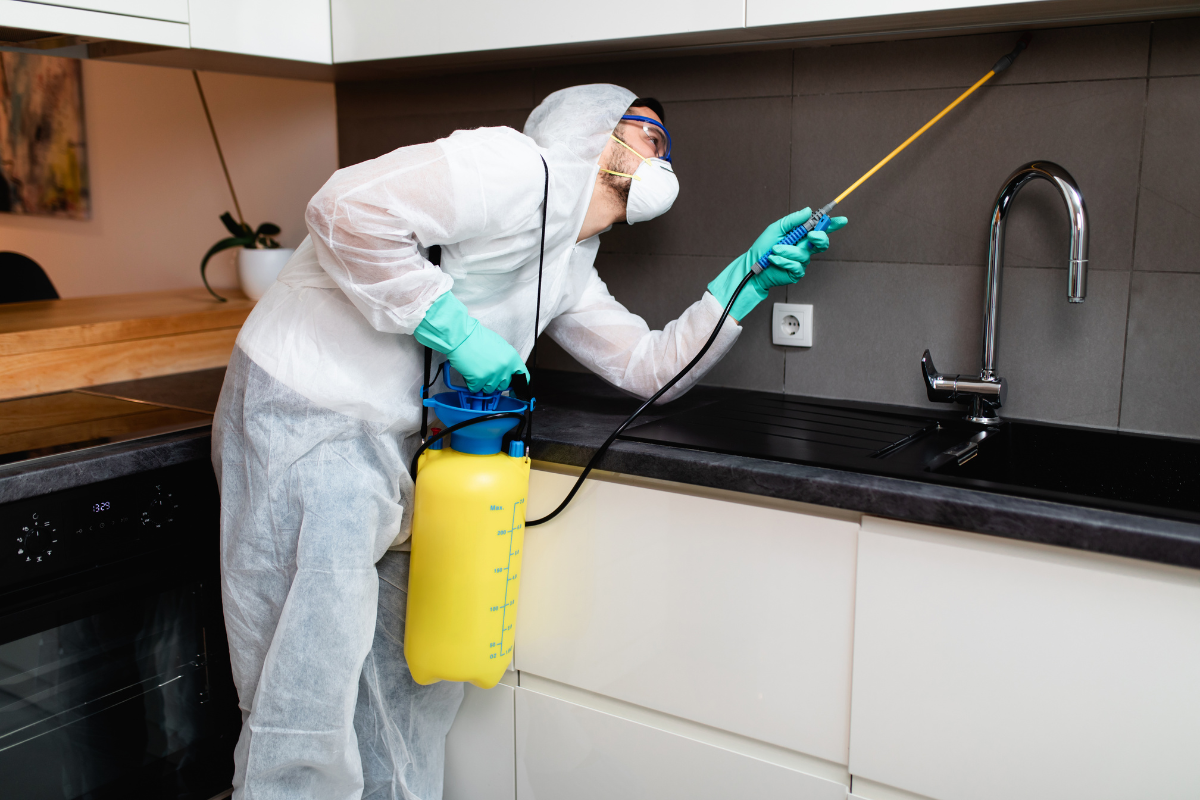
Building a structure that resists pests starts long before the first bait station goes in. The best outcomes happen when a pest control contractor sits at the table with the architect, general contractor, and key trades during design, stays involved through site work and vertical build, and follows the project through turnover and warranty. Skipping that collaboration usually shows up later as swollen baseboards, stained ceilings, and a budget blown on callbacks.
This is a field where sequencing matters as much as product choice. I learned that during a hospital build where slab penetrations were foamed before the inspection. The foam hid a honeycomb of gaps around sleeves that later became ant highways. We had to cut, clean, and reseal hundreds of points post-occupancy. One change order, one missed inspection, and we spent ten times what a day of coordination would have cost. That project cemented a rule I follow on every site: inspect before concealment, then document what you see.
Start with the site, not the slab
Pest pressure starts at the property line. Soil type, drainage, landscaping, and nearby activity all influence what will try to move in. A pest control contractor with construction experience begins with the geotech report and grading plan. Clay soils hold moisture, which termite species like Reticulitermes favor. Sandy soils drain faster, which can reduce pressure but complicates soil termiticide treatment because the product percolates. A busy dumpster area next door will send German cockroaches across the fence the day you set the first trailer.
I look at the site’s water management first. Flat lots with weak swales create standing water behind curb cuts and around transformers. Mosquitoes will find that within a week in warm weather, then the folks doing punch walks start getting bitten and morale drops. More importantly, standing water draws wildlife and creates subsurface moisture gradients that pull termites under slabs. If civil can deepen swales by two inches or move one downspout to daylight, that small change pays long-term dividends.
Vegetation decisions matter. Sod to the foundation line looks clean, but it becomes an irrigation and mulch problem. Drip lines too close to the stem wall keep it wet year round. Mulch piled against siding is a termite invitation. Where codes allow, I aim for a maintained gravel strip at least 18 inches wide around foundations, with edging to keep landscaping in its lane. That strip simplifies inspection and reduces harborage for earwigs, ants, and rodents.
On multifamily and commercial sites, I walk the fence line with the superintendent the first week. We talk about staging, soil stockpiles, and waste. If roll-offs sit against the building envelope, rodents will use the gap as a runway. If sub trades leave food waste on slabs, you will have odorous house ants under poly within days. Setting expectations early saves the GC from sending angry emails later.
Design choices that make or break pest resistance
Architects rarely design specifically to address pest behavior. They choose materials and details for energy, aesthetics, cost, and schedule. The pest control contractor should translate those decisions into risk and offer workable tweaks.
Exterior cladding that terminates too close to grade is a classic problem. Fiber cement or wood siding should maintain at least 6 inches of clearance above soil or mulch, sometimes more in heavy-snow regions to account for drift and splashback. I have seen beautiful cedar go soft along the base within two years because irrigation mist and mulch stayed in contact. That becomes a carpenter ant party. A simple detail revision to raise the reveal line an inch and add a backer rod behind the trim keeps the look and changes the outcome.
Vents and louvers are another flashpoint. Dryer vents, make-up air, and mechanical louvers need screens that match the expected pest size. A quarter-inch hardware cloth stops most rodents, but not paper wasps or small beetles. If a healthcare facility requires high airflow, specify screened louvers with removable panels so maintenance can clean them without leaving the opening unprotected. I have replaced too many thin plastic dryer vents gnawed open by rats to recommend them anywhere. Metal dampers with spring tension and smooth interiors are worth the extra cost.
Insulation decisions affect insects and rodents. Loose-fill in attics is fine when baffles are installed correctly and eaves are sealed. Spray foam can deny rodents a nesting cavity, but if the soffit remains open, mice will tunnel and you will never see the runs. I prefer closed-cell foam in rim joists, backed by a physical pest barrier at the exterior, such as stainless-steel wool or galvanized mesh in weep holes and gaps over half an inch. Mineral wool batts in exterior walls handle moisture swings better than fiberglass and resist compression, which reduces hidden voids.
On the interior, specify slab edge insulation details that avoid foam exposure. Exposed EPS at the slab perimeter becomes a rodent chew toy. If energy code requires slab insulation, cover it with sealed cementitious board or treated lumber and protect all joints with sealant rated for movement.
Finally, talk door schedules. Loading docks and storefronts with oversized gaps invite rodents and insects. A door sweep that leaves a quarter-inch light gap is functionally useless. Choose sweeps with neoprene fins or brush seals effective down to 1/16 inch, and set bottom rails tight to smooth thresholds. Where forklifts run, build in a steel angle threshold and plan for sacrificial sweeps. In cold climates, suggest vestibules for frequently used entrances. They make energy sense and give pests one more barrier to cross.
Pre-construction planning and scope clarity
On a good job, the pest control company owns a defined scope tied to drawings and specifications. The worst fights happen when we discover scope gaps in the field. To avoid that, I write into the subcontract:
- A preconstruction meeting with GC, plumbing, electrical, insulation, and waterproofing to agree on responsibilities for sealing penetrations, and the inspection schedule for before concealment. A treatment map for termite prevention that shows zones, products, and volumes, plus documentation requirements to pass state and lender inspections.
Those two items prevent misunderstandings and rework. The rest of the scope should tie to material submittals: exact sealants, barriers, mechanical screens, and bait systems with alternates approved ahead of time. If a pest control contractor wants to substitute a different termiticide or bait, it needs to meet label constraints and building code, and the GC should understand any difference in retreatment intervals.
Schedules drift, so build float into inspections. For slab-on-grade, set a walk date after plumbing rough and before poly goes down. For multi-story concrete, inspect sleeves and edge forms a day before pour. For wood framing, inspect exterior sheathing and housewrap before cladding. These checkpoints are non-negotiable if you want a building that ages gracefully.
Termite prevention done right
Termites create the costliest pest damage in new construction. In some regions, lenders and codes require treatment or physical barriers. The right choice depends on soil, water management, and the structure’s materials.
Pre-treatment with a soil-applied termiticide remains common for slab-on-grade builds. The product forms a treated zone under and around the foundation. The best practices are not complicated, but they get ignored when schedules tighten. Trenches should go to the footing and be flooded evenly, not sprinkled. Rates must match the label, typically 4 gallons per 10 linear feet per foot of depth. If you cannot achieve proper application because of standing water or frozen soil, reschedule rather than compromise. I have seen applications cut in half because the soil was saturated. Those jobs had swarmers in year two.
Post-construction soil trenching can work for additions and decks, but physical barriers deserve more attention. Stainless steel mesh barriers around penetrations and at cold joints block termites without chemicals. They cost more upfront, but they shine in hospitals and schools where chemical use is restricted. Termite shields on piers do not stop termites by themselves, but combined with inspection access and a gravel apron, they force visible foraging that maintenance can catch early.
Baiting systems such as in-ground stations around the perimeter are solid options for sites where soil treatments are not feasible. They require monitoring at regular intervals, usually quarterly in the first year, then semiannual. Set realistic expectations. Baiting is a population management approach, not a force field. It works when the pest control service maintains station integrity, keeps vegetation from covering lids, and measures consumption. On large campuses, I map stations to GPS so landscaping crews do not bury them under mulch.
Where builders use foam insulating forms or structural insulated panels near grade, I push hard for a physical break. Termites can tunnel inside foam and go unseen for years. A three-inch exposed concrete break and a metal flashing at transitions will annoy the architect, but it saves the owner an expensive forensic demo later.
Sealing the envelope with purpose
Air leaks are pest leaks. Rodents need a quarter-inch gap for entry, smaller for juveniles. American roaches squeeze through a crack you can barely see. The trick is to treat pest sealing as part of the air-sealing plan, not a separate punch item.
Start where trades intersect. Electrical conduit through slabs, gas lines at meter sets, and sleeves at fire risers create complex shapes that ordinary painters’ caulk will not hold. Use backer rod and a high-quality elastomeric or polyurethane sealant rated for expansion. I prefer products that remain flexible for at least 20 years and can be tooled cleanly. For gaps larger than half an inch or with rodent pressure, pack with stainless-steel mesh before sealing. Steel wool rusts and stains; copper mesh can corrode in alkaline environments. Stainless holds up and denies gnawing purchase.
In mixed-use buildings, bring a cautious eye to trash rooms and chutes. Chute doors should self-close with intact gaskets. Floor drains need intact traps and cleanouts with tight caps. If a trap dries, you will have a highway for sewer roaches and odors. A simple auto-primer valve or scheduled water pour during dry-in fixes it cheaply.
Roofs deserve attention too. Weep holes at parapets, pitch pockets, and penetrations for solar or HVAC are entry points for wasps and birds. Specify screened weeps, ensure pitch pockets are filled and sealed to the manufacturer’s spec, and use bird deterrents where ledges or signs create perfect perches. I learned the hard way that ignoring a sign band above a supermarket entrance invites pigeons to establish a home before the ribbon-cutting. Cleaning guano at turnover is a miserable way to spend a Friday.
Concrete slabs, crawl spaces, and the moisture problem
Moisture is the silent partner of nearly every pest issue. In slab-on-grade buildings, a continuous poly vapor barrier under the slab is now standard, yet I still see it punctured and patched carelessly. Every puncture is a future invitation. That poly should run tight to footings, seams taped, and penetrations booted. Where plumbing changes are made late, insist on proper boots, not tape over a ragged cut.
Crawl spaces are their own ecosystem. Ventilated crawls in humid climates rarely perform well. They pull warm, wet air in, condense on cool surfaces, and breed mold and springtails. Sealed and conditioned crawls with a robust liner, sealed piers, and dehumidification create a stable environment that pests find less welcoming. I specify a 10 or 12 mil reinforced liner, up the wall to just below sill plates, sealed at seams and penetrations. All vents get closed and sealed. Termite inspection gaps remain visible by stopping the liner a few inches below the sill and keeping that area free of foam or debris. Radon mitigation and combustion air needs must be addressed when sealing, which is why coordination with mechanical is essential.
Sump pits and perimeter drains need secure lids and pest-proof discharge points. An open sump is a roach factory. A vented lid and a fine screen at discharge prevent insects and small rodents from using your drainage as a highway.
Rodent-proofing commercial kitchens and loading areas
If a building includes a kitchen, design to control rodents from the outset. The loading dock should have tight-fitting dock seals or shelters and dock levelers with minimal side gaps. I favor brush seals on leveler lips and side plates. The gap between dock and building is an easy entry for rats, who love pallet voids and under-leveler cavities. Where budget allows, add kick plates and steel angles to protect sweeps from forklift abuse.
Inside the kitchen, specify stainless legs and open bases for heavy equipment. Avoid enclosed toe kicks that become dark, warm harborage. Provide sufficient wall backing to mount equipment off the floor. Drains should be sized correctly and slope to prevent standing water. Trench drains must have snug grates, and the channels should be smooth, not rough concrete that collects grease. Grease traps need accessible, sealed lids and maintenance plans agreed upon before opening day. If you leave cleaning to chance, American roaches will find the smallest crack and thrive.
Trash rooms benefit from washable finishes and sloped floors to a drain with a working trap. Where compactors are used, specify units with intact gaskets and pest-rated brush seals. If compactor rooms are vented, screens on exhausts must be serviceable, and make-up air should not pull pests from loading docks inside.
Material storage and jobsite housekeeping
On an active site, the best pest control service is often a clean job. Food waste left in wall cavities, drink bottles pressed into insulation, and lumber piles against foundations invite trouble. I have walked multifamily frames in spring and found odorous house ant trails under poly vapor barriers because someone stored sweet drinks on the deck supports for a week.
The GC should set a simple housekeeping standard: food waste in sealed containers emptied daily, pallets and cardboard stored away from the building, and wood off the ground on racks. Subcontractors should police their area at the end of each day. When the pest control contractor visits weekly during rough-in, they can flag emerging issues before they mature. That cadence also builds rapport with crews, who will call when they see burrows along the fence or a hornet nest in the eaves.
Documentation that survives turnover
Owners inherit a building and a maintenance burden. The pest control company’s job is not just to treat during construction but to hand over a roadmap. The most useful closeout package I deliver includes:
- A floor-by-floor map of pest-sensitive areas and concealed details like mesh barriers, with photos taken before concealment and notes on exact locations. A service schedule for the first year covering exterior bait stations, interior monitoring, and seasonal risk points, plus product labels and safety data sheets for anything applied.
Digital records matter. Photos geotagged and tied to plan sheets let future maintenance find a barrier embedded in a wall ten years later. When a facilities manager calls about ants in a wall, I can pull the record and say, you have stainless mesh at the pipe sleeve 8 feet to the right of the janitor sink. That changes a blind chase into a targeted fix.
Contracts should also spell out warranty terms. Termite treatments commonly include a one-year warranty, renewable. Be explicit about what voids coverage, such as landscaping that raises grade or irrigation installed against the foundation. Owners need that clarity to avoid unintentional risk.
Calibrating chemical use with building science
The most effective pest control balances physical exclusion, moisture management, and targeted chemistry. I rarely recommend space sprays in new construction. They add volatile compounds to a sealed building and chase pests into cracks without fixing the cause. Gel baits and non-repellent residuals have their place during late-stage punch, when finish trades bring in cardboard and food. Apply with precision, focusing on voids and harborages, not open surfaces that will be cleaned before move-in.
The exterminator service that impresses me uses monitors rather than guessing. Sticky traps under sinks, near conduits, and along baseboards in mechanical rooms do more than catch a few insects. They provide data points. When you see German cockroaches on three traps near a trash chute and none elsewhere, you know where to open and treat. That approach lowers chemical load and speeds resolution.
Outdoor products require attention to label and environment. Treating a building base with a repellent insecticide while irrigation runs daily will wash value away. In many climates, I schedule exterior applications at dawn to maximize dry time before sun and sprinklers. I also coordinate with the landscaper, sometimes adding a note to the irrigation controller schedule during critical days.
Timing and sequencing around other trades
Every pest control contractor has a story about the perfect seal that a plumber cut through, or the door sweep removed by a flooring crew. The fix is routine: build pest protection into the project sequence and return for final checks after the messiest work is over.
Pre-slab: treat soil or install barriers, then verify poly is intact. Boots on all penetrations. Photos taken before pour.
Framing: seal large gaps, especially at rim joists, penetrations, and top plates before insulation hides them. Coordinate with electrical to avoid foaming switch boxes that need airflow.
Exterior: inspect housewrap laps and flashing. Install weep hole screens after masonry cures. Confirm siding clearances and correct where grade is high.
Interior rough: ensure drain traps are protected, check that floor penetrations receive sealant after pressure tests, not before.
Finish: install door sweeps, verify dock seals, set and label monitoring stations, and do a targeted bait and crack-and-crevice application only where activity or risk dictates.
Turnover: walk with the owner, maintenance, and GC. Hand off documentation, demonstrate monitoring layout, and confirm service schedule.
Special cases: healthcare, food processing, and schools
Not all new builds share the same risk tolerance. In healthcare, product labels and infection control drive decisions. Negative pressure rooms and ceiling plenums require careful sealing to avoid harborages where staff cannot access. I rely heavily on physical barriers and non-volatile products. For example, screens on vacuum breakers and gap-free gasketed access panels in nurse stations keep pests out without compromising airflow.
Food processing demands aggressive exclusion. Sanitizable details like coved bases, sealed wall-to-floor joints, and stainless penetrations make it easier to maintain a clean envelope. I insist on curbs around equipment legs to keep caulk compressions minimal and visible. Rodent stations outside must be tamper-resistant, locked, and mapped to audit standards. Inside, monitoring devices should avoid adhesive near exposed product zones unless the facility’s HACCP plan allows it.
Schools bring seasonality. Summer projects often ramp up in heat, when ant and wasp pressure surges. Athletic field storage and concession stands become rodent hubs if design skips a sealed slab and proper door hardware. I include a pre-season check of those buildings in the first-year service, with an eye on weatherstripping and gaskets that fail quickly under student use.
Selecting and managing a pest control partner
A good pest control company on new construction does more than spray. They read plans, speak the language of RFIs and submittals, and show https://shanecsnf667.theburnward.com/child-and-pet-safe-pest-control-a-parent-s-guide up when the schedule shifts. When evaluating a pest control contractor or exterminator company for a build:
Ask for examples of similar projects with contacts you can call. Look for evidence of coordination with other trades, not just service logs. Review their product list and verify they can pivot to physical barriers where chemicals make less sense. Confirm licensing covers pre-treatments and commercial work in your state. And ensure the service team assigned has at least one person who has lived through a messy build and brings that experience to weekly site walks.
One final note on cost. The cheapest bid often leaves scope holes that will appear later as change orders. I would rather see a slightly higher base price that includes two extra inspections at critical milestones than a low number that covers a single pre-treat and a hope. On a 150-unit multifamily project, those extra inspections might cost a few thousand dollars. They routinely prevent tens of thousands in post-occupancy repairs and resident complaints.
When things go sideways
Even with the best plan, surprises happen. I once opened a soffit two weeks before turnover and found pharaoh ants nesting in the adhesive-lined duct insulation. The HVAC crew had stored sandwiches in that soffit during lunch breaks, then buttoned it up. We had to remove sections, treat voids with a non-repellent, and reset the ductwork. The GC was furious, the schedule tight. What saved the project was clear documentation and a willingness to own the fix. We isolated the zone, treated at night, and followed up for six weeks. Not ideal, but manageable.
The lesson is not to expect perfection. It is to build a culture where any trade can say, we have a pest issue here, and the team responds quickly with a plan rooted in building science and sound pest management. The pest control service should lead that response, not just apply product.
Hand-off and the first year
A building breathes and settles in its first year. Landscaping grows, tenants move in, cleaners change products, and maintenance gets busy. Pest pressure shifts accordingly. The pest control company’s first-year program should mirror that arc. Early visits focus on exterior perimeters, door hardware, and sealing missed gaps that appear after winter-summer expansion. Mid-year, attention shifts to irrigation overspray, mulch creep, and kitchen operations. Late year, as temperatures drop, rodent pressure rises, and attic or mechanical spaces warrant a fresh look.
Service without communication is half service. After each visit, the exterminator service should leave a clear note for the owner or facility manager: what we saw, what we did, what we recommend. If the landscaper needs to pull mulch back from the foundation by two inches, say so plainly. If a certain tenant stores pallets against a wall, put it in writing with a photo. These small acts keep accountability on track and reduce friction.
The payoff
New construction creates a rare chance to get pest control right the first time. When the pest control contractor integrates early, focuses on moisture and exclusion, sequences work around the trades, and documents what is hidden, the building repays that diligence for decades. Owners see fewer service calls, tenants enjoy healthier spaces, and the maintenance team works from a playbook instead of putting out fires.
I still enjoy the moment, just after turnover, when I walk the perimeter of a project at dusk. Lights come on, landscaping looks fresh, and the air smells like new paint. I check sweep lines under doors, feel for air with my hand, peer into a few weep holes, and listen. The silence is its own reward. No scratch in the walls, no buzz around a soffit, no skitter across a loading dock. That quiet testifies to a construction team that treated pest control as part of the build, not an afterthought. And that is the standard I aim for on every job.
Clements Pest Control Services Inc
Address: 8600 Commodity Cir Suite 159, Orlando, FL 32819
Phone: (407) 277-7378
Website: https://www.clementspestcontrol.com/central-florida